01 Oct 2022 · 5 min read
Hoarding automation: an n8n workflow for free second-hand things
One of my hobbies at the time was collecting free second-hand things - partly for the flat, partly to flip. The problem with giveaway apps is that everything good is claimed within minutes, so being fast matters more than being picky. That's an automation problem.
Three pieces: n8n as the engine, Airtable as the database, and Geev as the data source for free items nearby.
Step 1 - Define the search
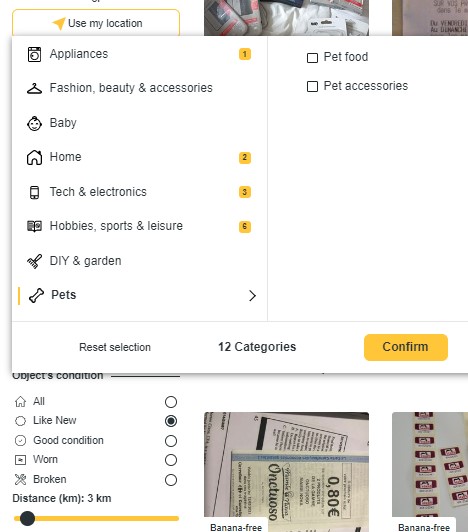
Set up the filters in the app itself first. I wasn't interested in large furniture; I was interested in tech and small items. Narrowing here means less filtering logic later.
Step 2 - Reverse-engineer the API
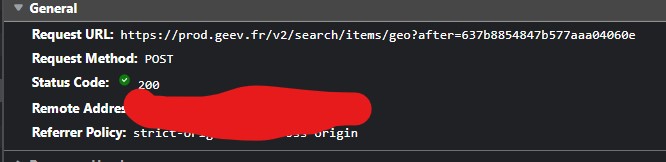
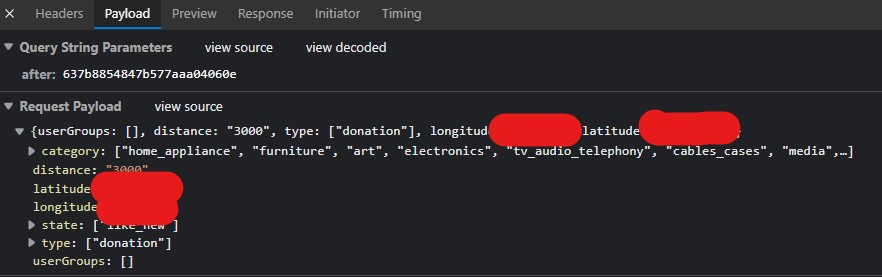
Developer tools, network tab, find the request the front end makes when you search. In this case it was a plain POST with basic authentication - which meant replicating it in an HTTP node was trivial. Same request, same JSON, no browser needed.
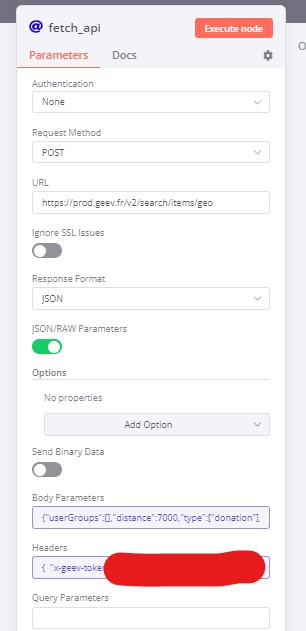
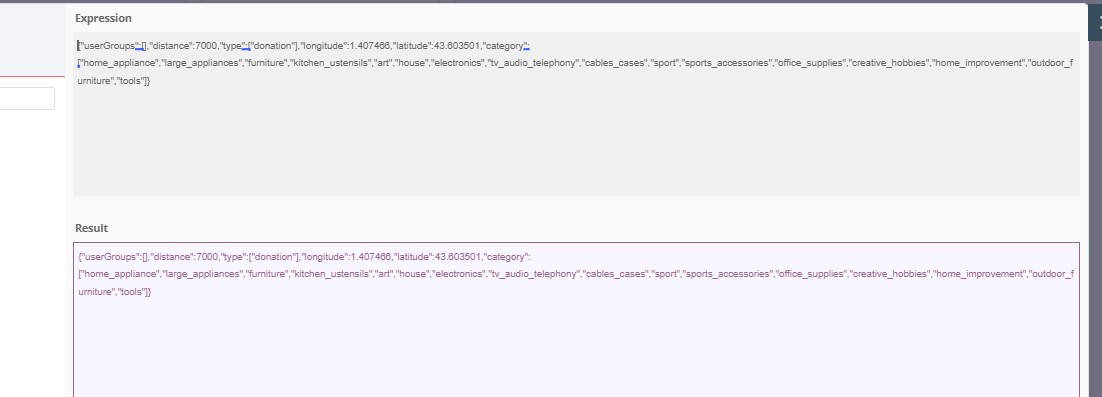
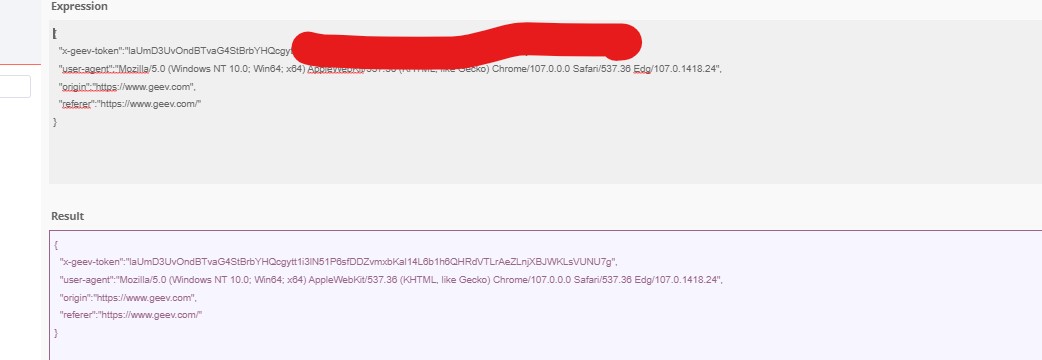
Step 3 - Daily feed into Airtable
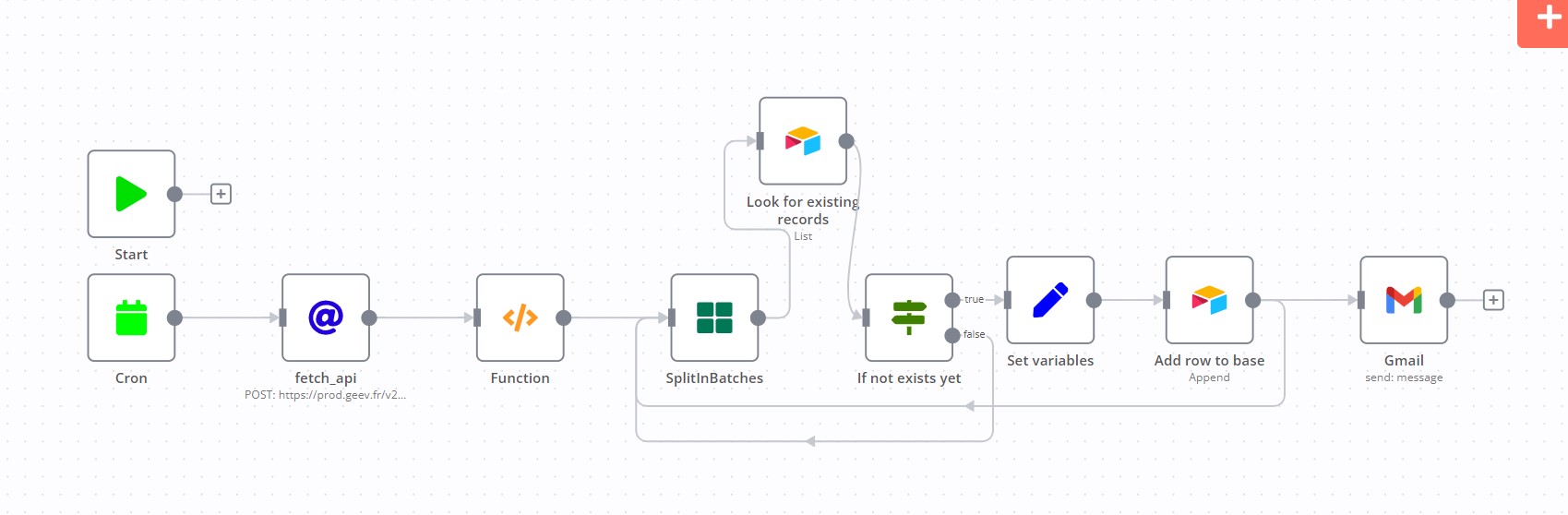
A scheduled n8n workflow calls the endpoint, compares against what's already stored, and appends new items to Airtable. Deduplication on the item ID so the same listing doesn't notify twice.
Step 4 - Go and get things
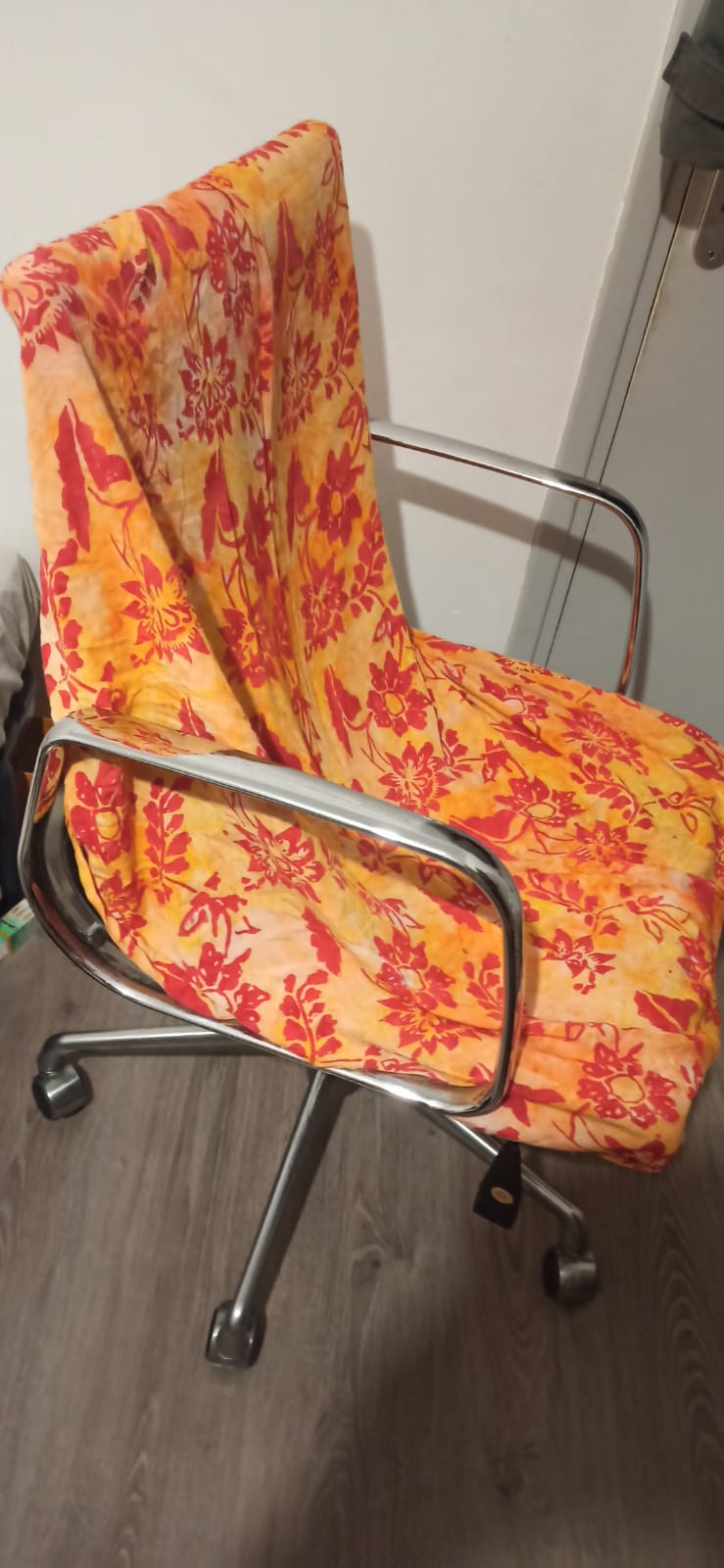
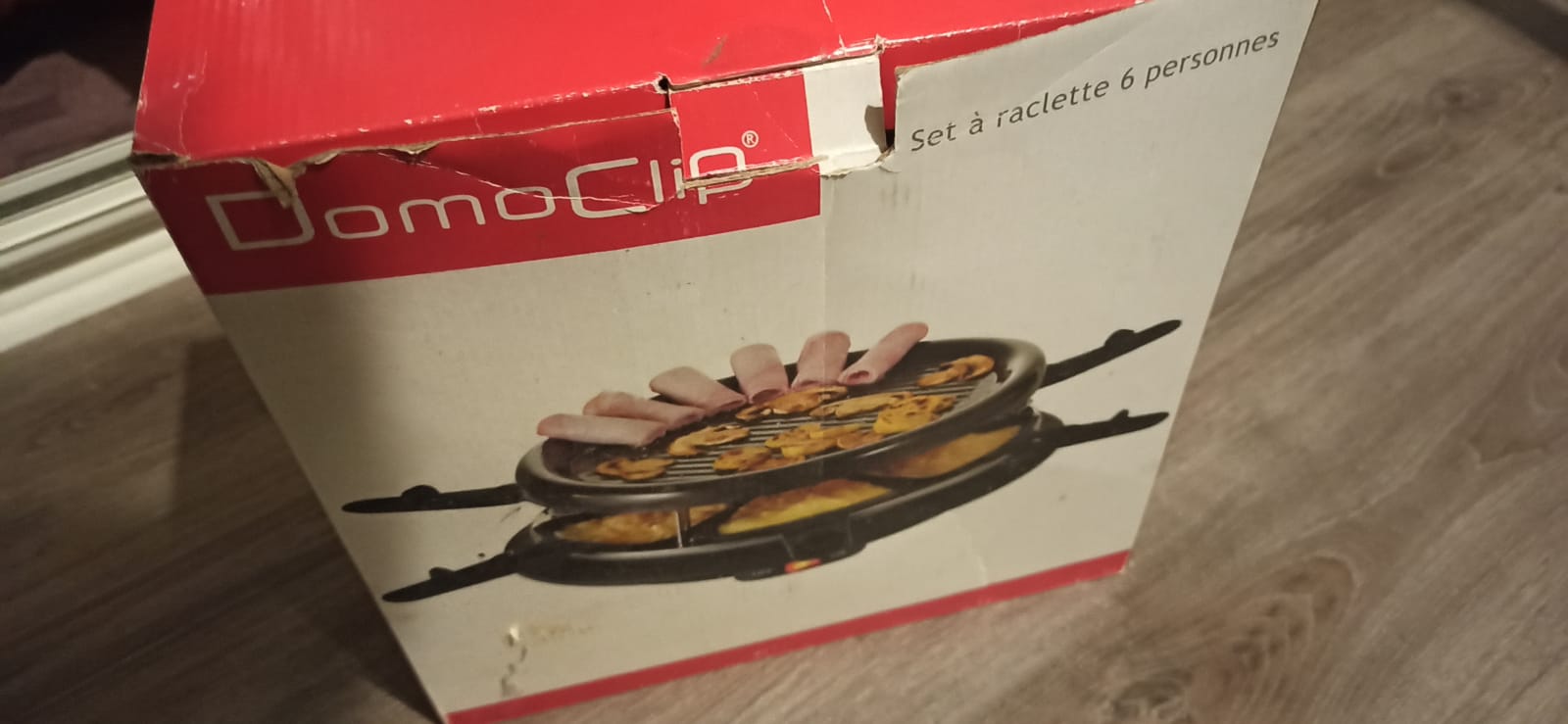
The haul included a chair, a raclette machine and a chocolate fondue set, which is a very specific portrait of a student in France.

Over-engineered for a hobby? Absolutely. But the shape is the same shape as a lead-sourcing pipeline: find the source, replicate the request, dedupe, store, notify. If it works for free furniture it works for prospects.